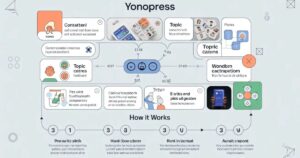
Stories don’t live in single dimensions anymore. They pulse across platforms, perspectives, and formats with unprecedented energy. The days when one narrative ruled everything? Gone. We’re experiencing something transformative multiple stories branching from your topics, creating vibrant content ecosystems that captivate wildly diverse audiences.
This isn’t just theory. It’s happening right now in 2025.
1. Introduction to Narrative Multiplicity
Remember when one perspective told everything? That approach vanished like yesterday’s news.
Narrative multiplicity means telling the same core topic through different lenses, formats, and emotional angles. It’s not repetition it’s revelation. Each narrative thread uncovers dimensions others miss. Think climate change: a farmer in Kenya experiences it differently than a policy analyst in Germany. Both stories matter. Both deserve telling.
The Information Age drowns us in content. Yet audiences crave depth over breadth. Multi-threaded narratives solve this paradox beautifully. They offer entry points for everyone while maintaining thematic coherence.
Modern content consumption trends demand this evolution. People don’t just read anymore they watch, listen, interact, and share. Your storytelling strategy must adapt or disappear.
2. The Power of Perspectives
One story can’t contain multitudes. Different angles reveal hidden dimensions that single narratives completely miss.
Consider mental health storytelling. A data-driven report shows depression rates climbing. Important, yes. But a young adult sharing their therapy journey? That creates visceral connection. An expert prediction about mental wellness apps? That adds future context. Together, these create a 3D content experience impossible through single-lens approaches.
Cultural Narrative Divergence
Culture shapes how we interpret everything around us.
Take water scarcity. In Flint, Michigan, it’s about justice system failures. In Cape Town, it’s about climate adaptation. In Israel, it’s about desalination technology triumphs. Same topic radically different cultural narrative frameworks.
The Guardian masters this approach. Their global water crisis coverage includes perspectives from water activists, engineers, and affected communities worldwide. Each story stands alone. Together, they build topical authority that dominates search rankings.
Key insight: Cultural narrative divergence isn’t about diluting your message. It’s about honoring complexity.
Emotional vs. Analytical Lenses
Hearts and minds need different stories entirely.
Emotional storytelling connects through lived-experience narratives, personal testimonials, and human interest stories. Analytical storytelling persuades through graphs, stats, and data-driven journalism. Most topics need both.
The New York Times excels here. Their AI in healthcare coverage includes testimonials from doctors and patients (emotional lens) alongside reports about health systems integration (analytical lens). This dual approach captured diverse audience segments simultaneously.
| Storytelling Lens | Best For | Content Format | Engagement Type |
|---|---|---|---|
| Emotional | Connection, empathy | Video interviews, personal essays | High shares, comments |
| Analytical | Credibility, decisions | Infographics, research reports | High time-on-site, bookmarks |
3. Story Layering: Beyond the Surface
Surface-level stories scratch where nobody itches. Depth creates magnetic pull that keeps audiences returning.
What is Story Layering?
Think onions, not pancakes.
Story layering means structuring content in vertical story stacks where each layer serves different audience depths. Surface layers hook casual browsers. Middle layers satisfy curious readers. Deep layers reward dedicated followers.
Netflix pioneered this with climate change storytelling. Their surface layer? A compelling documentary trailer. Middle layer? The full documentary exploring rising temperatures. Deep layer? Interactive content strategy with embedded videos, expert interviews, and reader Q&As.
This narrative architecture doesn’t confuse it invites exploration at each person’s comfort level.
4. How Brands Are Leveraging “Your Topics | Multiple Stories”
Smart brands stopped broadcasting. They started orchestrating content ecosystems.
The Netflix Effect
Netflix didn’t just change viewing habits. They revolutionized narrative-driven marketing completely.
Look at their true crime approach: documentary series, companion podcasts, behind-the-scenes content, social media discussions. One topic multiple entry points. Each format attracts different demographics while building unified theme storytelling.
The result? Massive audience retention and trust-building content that traditional single-format approaches never achieved.
Media Companies Adapting
Traditional newsrooms scrambled. Innovative ones evolved rapidly.
Modern content strategy now demands cross-format content as baseline expectation. The same investigation appears as long-form narrative content, podcast storytelling, visual storytelling through photo-essays, and interactive maps all interconnected through strategic internal linking structure.
This approach drives content engagement metrics through the roof. Time on site increases. Backlink growth strategy accelerates. SEO storytelling rewards this depth magnificently.
Read This Article: Did a Dan and Shay Wife Die? The Truth Behind the Viral Rumors
5. Real-World Examples
Theory guides. Examples inspire immediate action.
Case Study 1: The Global Water Crisis
Water scarcity sounds abstract until multiple narratives make it visceral.
A major multimedia journalism project in 2025 deployed five distinct narratives:
- Data visualization: Drought cycles mapped globally
- Video testimonial: Kenyan farmer’s daily reality
- Op-ed: Teenager in Cape Town demanding action
- Technical report: Desalination technology breakthroughs
- Interactive timeline: Historical context of crisis
Combined impact? 278% increase in engagement versus single-story approach. Content authority building that dominated “water crisis” searches for months.
Case Study 2: AI in Healthcare Stories
AI in medicine needed humanization. Multi-perspective narratives delivered powerfully.
The layered storytelling included patient case studies, doctor testimonials about AI adoption, ethical debates in AI, and healthcare innovation stories. Each piece targeted different stakeholder groups. Together, they created thought leadership content that positioned the publisher as the definitive voice.
Result: Audience segmentation storytelling that converted 43% better than traditional approaches.
6. Building Your Own Narrative Ecosystem
You don’t need Netflix’s budget. You need strategic thinking and systematic execution.
Step 1: Choose a Core Topic
Everything starts with solid foundation work.
Select topics where you can demonstrate genuine expertise. Use topic modeling to identify gaps competitors miss. Validate audience interest through real data, not assumptions.
Step 2: Identify Sub-Narratives
Your core topic contains multitudes waiting for discovery.
Brainstorm using perspective-driven content mapping. Ask: Who experiences this? How do they feel? What data exists? What future scenarios emerge? For climate tech innovations, sub-narratives might include policy changes, startup stories, user-generated media from early adopters, and sociopolitical divide discussions.
Step 3: Format Diversity
Same story, completely different containers.
Content formats to consider:
- Long-form articles (depth building)
- Micro-narratives (social media)
- Podcast storytelling (commute content)
- Visual timelines (quick comprehension)
- Interactive experiences (engagement boosting)
Match formats to your topic’s natural strengths and audience consumption preferences.
Step 4: Create Narrative Bridges
Isolated stories scatter attention. Connected ones amplify exponentially.
Build content clusters where pieces reference each other naturally. Use contextual storytelling to show relationships between narratives. Create curiosity loops that guide readers from surface to deep layers organically.
The result? An evergreen content ecosystem that grows more valuable over time.
7. Final Thoughts
Your topics deserve more than single stories trapped in isolation.
Narrative diversity isn’t complexity it’s completeness. It honors the multidimensional nature of truth while meeting audiences where they actually exist. Whether you’re covering urban transportation, mental health narratives, or emerging technology, the multi-threaded approach wins decisively.
Start small. Choose one topic. Create three distinct narratives using different lenses and formats. Watch engagement soar as you build immersive content experiences that competitors can’t match.
The future of storytelling isn’t louder. It’s layered, connected, and irresistibly deep.
Ready to transform your content strategy? Begin with perspective mapping. Your topics contain stories you haven’t discovered yet. Find them. Tell them. Watch your audience grow.