
Have you ever wondered if your name carries biblical weight or spiritual significance? For parents choosing names or individuals seeking deeper meaning, understanding the Tristan Bible meaning opens doors to profound faith insights. While Tristan doesn’t appear in Scripture directly, its spiritual symbolism connects powerfully with Christian themes of transformation, endurance, and divine purpose.
This comprehensive guide explores the Tristan meaning in Bible contexts, revealing how this name embodies biblical principles of turning trials into triumph. You’ll discover relevant Bible verses, etymology roots, and why Tristan remains a meaningful Christian name choice today.
Is Tristan Mentioned in the Bible?
Let’s address the elephant in the room. No, Tristan doesn’t appear anywhere in biblical texts. You won’t find it in Genesis or Revelation. The name isn’t recorded in Hebrew Bible passages or Greek New Testament manuscripts.
But here’s what matters: many beloved Christian names aren’t biblical either. Madison doesn’t appear in Scripture. Neither does Aiden or Brittany. Yet faithful believers proudly bear these names.
Biblical names and meanings extend beyond literal Scripture mentions. The spiritual significance comes from how a name’s meaning aligns with God’s character and principles. Tristan’s dual heritage representing both sorrow and boldness mirrors countless biblical narratives where God transforms suffering into strength.
Think about it differently. Your name doesn’t determine your destiny. Your faith does. Parents throughout Christian history have chosen names reflecting spiritual aspirations rather than direct biblical references.
Tristan in the Bible: Biblical Significance and Spiritual Insights
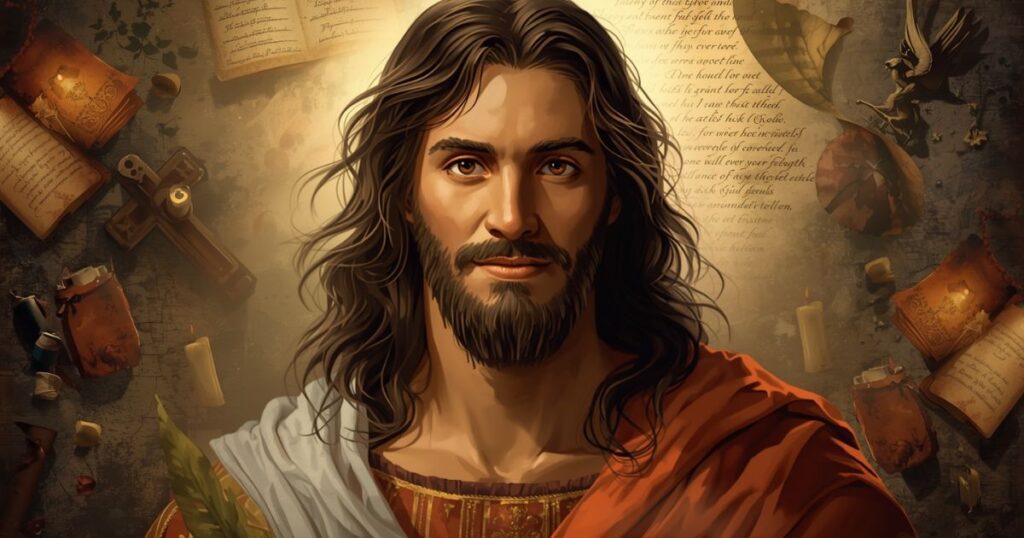
While Tristan in Scripture doesn’t exist as a character, the thematic connections run deep. The Bible overflows with stories of redemptive suffering and courageous faith precisely what Tristan symbolizes.
Consider Job’s trials and faith. He endured devastating loss yet proclaimed God’s sovereignty. Or David, who transformed from shepherd to king through tumultuous challenges. Paul wrote his most powerful letters from prison cells, turning captivity into spiritual victory.
These biblical themes resonate perfectly with Tristan’s meaning. The journey from sorrow to strength defines much of Scripture’s narrative arc. God consistently meets His people in their darkest moments, transforming pain into purpose.
Christian faith doesn’t promise easy lives. It promises presence during difficulty. The Tristan spiritual symbolism captures this perfectly acknowledging life’s hardships while maintaining warrior-like boldness through trust in God.
This name embodies what theologians call “redemptive grace” the divine ability to bring beauty from ashes, joy from mourning, and eternal glory from temporary suffering.
Origin and Etymology of Tristan
Understanding Tristan name origin reveals fascinating spiritual depth. This name carries dual linguistic heritage, each adding unique dimensions to its Christian significance.
Latin — Tristis (“sorrowful”)
The Latin root “Tristis” translates directly as “sorrowful” or “sad.” In ancient Roman literature and early Christian writings, this term described deep emotional grief. Early believers understood sorrow differently than pagan contemporaries, however.
Christian mourning contained hope. Paul distinguished between worldly sorrow leading to death and godly grief producing repentance (2 Corinthians 7:10). This Latin meaning connects Tristan to biblical understanding that acknowledges pain without surrendering to despair.
Medieval European Christian societies embraced names reflecting human experience authentically. Choosing “sorrowful” as a name component wasn’t pessimistic it was honest. Life includes suffering. Faith transforms how we navigate it.
Celtic — Drustan / Trystan (boldness, tumult)
The Celtic roots “Drustan” or “Trystan” paint a contrasting picture: warrior-like spiritual courage and tumultuous strength. Celtic Christianity merged fierce boldness with deep devotion, creating unique faith expressions.
This Celtic meaning boldness in Christianity represents active courage, not passive resignation. It’s the same boldness Peter and John displayed before religious authorities (Acts 4:13). It’s Daniel’s courage in the lion’s den.
The dual nature sorrow paired with boldness creates beautiful tension. You can mourn deeply while standing courageously. Grief doesn’t eliminate strength. Sometimes mourning requires the greatest courage of all.
Bible Verses That Reflect Tristan’s Meaning
Scripture speaks powerfully to themes embedded in the Tristan spiritual meaning in Christianity. These verses illuminate how God meets us in sorrow and builds unshakeable faith through trials.
Romans 8:18 (NIV)
“I consider that our present sufferings are not worth comparing with the glory that will be revealed in us.”
Paul reframes temporary pain through eternal perspective here. Every hardship you face pales beside coming glory. This verse perfectly captures Tristan’s essence acknowledging suffering while maintaining hope.
Transformation through God’s grace means current struggles don’t define your story’s end. For anyone named Tristan or parents choosing this name, Romans 8:18 offers profound encouragement. Your sorrow isn’t the final word God speaks over your life.
James 1:12 (NIV)
“Blessed is the one who perseveres under trial because, having stood the test, that person will receive the crown of life that the Lord has promised to those who love him.”
James connects endurance directly to divine reward. Perseverance through trials isn’t punishment it’s faith-building refinement. This aligns beautifully with Tristan meaning trials to triumph.
God promises blessing to those who remain faithful during testing seasons. Your character develops through difficulty, not despite it. The crown of life awaits those who trust God through tumultuous circumstances.
Job 1:21 (NIV)
“Naked I came from my mother’s womb, and naked I will depart. The Lord gave and the Lord has taken away; may the name of the Lord be praised.”
Job represents the ultimate example of godly response to sorrow. After losing everything, he worshiped. This radical faith embodies Tristan’s meaning perfectly accepting pain without abandoning trust in God’s goodness.
Job didn’t understand why suffering came. He questioned, wrestled, and mourned deeply. Yet his foundation remained unshaken. This verse teaches that worship amid suffering honors God profoundly.
Matthew 17:20 (NIV)
“Truly I tell you, if you have faith as small as a mustard seed, you can say to this mountain, ‘Move from here to there,’ and it will move. Nothing will be impossible for you.”
Jesus connects boldness meaning directly to faith here. Even small faith accomplishes impossible things when placed in God’s hands. This verse speaks to Tristan’s Celtic heritage of warrior-like courage.
Mountains represent insurmountable obstacles. Faith doesn’t require perfection just genuine trust. The boldness to believe God can move your mountains transforms how you face trials.
Psalm 34:18 (NIV)
“The Lord is close to the brokenhearted and saves those who are crushed in spirit.”
David’s testimony offers comfort for those experiencing deep sorrow. God doesn’t abandon us in pain He draws incredibly near. This Psalm perfectly addresses Tristan’s “sorrowful” etymology with divine hope.
Brokenness invites divine presence. Your crushed spirit doesn’t repel God; it attracts His compassionate attention. This promise assures anyone bearing Tristan’s name that grief creates sacred space for encountering God.
Summary of This Section
These five verses collectively reveal God’s heart toward suffering and faith. Sorrow to strength Bible verses demonstrate consistent biblical patterns: temporary hardship leads to eternal glory, trials refine faith, God stays near during pain, and bold faith moves mountains.
The Tristan name biblical significance emerges clearly through Scripture. These passages don’t just comfort they transform how we understand difficulty’s role in spiritual growth.
Spiritual Symbolism of the Name Tristan

Names carry symbolic weight in spiritual formation. Tristan embodies four transformational journeys reflecting core Christian principles.
Sorrow → Strength
Biblical examples abound of grief becoming fortitude. Hannah’s barrenness transformed into Samuel’s prophetic ministry. Paul’s thorn in the flesh produced deeper reliance on God’s power (2 Corinthians 12:9).
Strength after trials isn’t about ignoring pain. It’s about allowing suffering to build spiritual muscle. Every tear watered seeds of resilience. Every loss created capacity for deeper trust.
Modern believers named Tristan can embrace this symbolism as personal calling letting sorrow refine rather than define them.
Trials → Trust
Peter wrote that faith’s refinement through trials proves more precious than gold (1 Peter 1:6-7). Abraham trusted God’s promise despite impossible circumstances. Daniel faced lions with unwavering confidence.
Tumultuous seasons offer opportunities to deepen reliance on God. When circumstances scream doubt, choosing trust demonstrates genuine faith. Tristan’s meaning reminds us trials aren’t punishment they’re invitations to stronger faith.
Pain → Purpose
Joseph’s story illustrates redemptive biblical themes perfectly. Brothers sold him into slavery. False accusations imprisoned him. Yet God used every injustice to position Joseph for saving nations (Genesis 50:20).
Romans 8:28 promises God works all things for good. Your pain isn’t wasted in God’s economy. He specializes in bringing purpose from suffering, meaning from chaos, and divine purpose from devastation.
Faith → Restoration
Job received double restoration after faithful endurance. The prodigal son found welcoming embrace despite squandered inheritance. God’s character consistently demonstrates restorative power.
Biblical lessons from Job and David teach that restoration follows faithfulness. God doesn’t just heal He restores abundantly. Tristan’s meaning points toward ultimate redemption through sustained trust.
Is It a Good Christian Name?
Absolutely. Tristan as Christian baby name honors God beautifully, despite not appearing in Scripture directly. Here’s why concerned parents can choose confidently:
Names don’t require biblical origins to honor God. Character development matters infinitely more than etymology. Countless godly people throughout Christian history bore non-biblical names while living faithfully.
Tristan personality traits resilience, courage, and strength through adversity align perfectly with Christian virtues. The name’s meaning encourages children toward faith-filled living.
Some parents worry about medieval legend associations (Tristan and Isolde). Remember: many biblical names carry complicated non-biblical histories too. Sarah initially laughed at God. Jacob deceived his father. Names themselves remain neutral how we live defines them.
Christian parents choosing Tristan can instill biblical values regardless of name choice. Pray over your child. Dedicate them to God’s purposes. Teach Scripture faithfully. These actions matter infinitely more than etymological roots.
Modern Christian naming trends increasingly favor names with spiritual depth rather than strict biblical origin. Tristan offers rich meaning that inspires faith-centered living.
Tristan in Legends vs Christian Truth
The medieval legend of Tristan and Isolde depicts forbidden romance and tragic passion. This narrative conflicts sharply with biblical morality and Christian values around marriage and faithfulness.
However, legendary associations don’t define names today. Consider:
| Aspect | Medieval Legend | Christian Truth |
|---|---|---|
| Foundation | Human passion | Divine purpose |
| Outcome | Tragedy and death | Redemption and life |
| Focus | Earthly desire | Eternal significance |
| Message | Love conquers all | God transforms all |
Tristan vs medieval literature presents clear contrasts. Cultural myths evolve separately from spiritual reality. Many parents reclaim names for Christian purposes, redefining meanings through faith-centered living.
Biblical names themselves sometimes carry uncomfortable associations. Delilah betrayed Samson. Jezebel personified wickedness. Yet modern believers bear these names honorably by living differently.
The difference between human passion and divine purpose clarifies everything. Medieval tales explored earthly drama. Christian faith pursues heavenly transformation. Your legacy defines your name not ancient stories.
Conclusion
The Tristan meaning in Bible contexts reveals profound spiritual symbolism despite Scripture’s silence on this name directly. Through Latin roots meaning “sorrowful” and Celtic heritage signifying “boldness,” Tristan embodies the Christian journey from trials to triumph.
We’ve explored powerful Bible verses about sorrow, strength, and faith through trials that speak directly to Tristan’s thematic essence. Romans 8:18, James 1:12, Job 1:21, Matthew 17:20, and Psalm 34:18 illuminate God’s transformative work through suffering.
The spiritual symbolism sorrow to strength, trials to trust, pain to purpose, and faith to restoration mirrors countless biblical narratives where God redeems difficulty for His glory.
For parents considering this Christian baby name with depth or individuals named Tristan seeking spiritual connection, embrace your name’s potential. God redeems all things, including names with complex meanings. Your identity ultimately rests in Christ, not etymology.
Live boldly. Trust courageously. Let sorrow refine rather than define you. The Tristan spiritual significance invites you toward deeper faith, stronger character, and transformative hope.
Frequently Asked Questions
Does the name Tristan appear anywhere in the Bible?
No, Tristan isn’t mentioned in biblical texts neither Hebrew Bible nor Greek New Testament. However, this doesn’t diminish spiritual significance. Many Christian names lack direct Scripture references while still honoring God through meaningful symbolism and faith-centered living.
What does Tristan mean spiritually?
Tristan carries dual spiritual meaning: “sorrowful” from Latin tristis and “bold/tumultuous” from Celtic Drustan. Spiritually, it represents transformation through suffering the Christian journey from trials to triumph, weakness to strength, and sorrow to joy through faith in God.
Is Tristan a good name for a Christian child?
Yes, absolutely. Tristan Christian name meaning aligns beautifully with biblical virtues like endurance, courage, and faith through trials. What matters most is raising children with strong biblical values, not whether their name appears in Scripture directly.
What Bible verses relate to the name Tristan?
Key verses include Romans 8:18 (suffering versus glory), James 1:12 (perseverance through trials), Job 1:21 (worship amid loss), Matthew 17:20 (bold faith), and Psalm 34:18 (God’s nearness to brokenhearted). These passages address faith and perseverance central to Tristan’s meaning.
Is Tristan associated with any saints or biblical figures?
No direct biblical figures share this name. Some Catholic traditions reference Saint Tristan, though historical details remain limited. Throughout Christian history, faithful believers have borne this name, living testimonies to God’s restoration and grace.
Can a name’s meaning affect a person’s spiritual life?
Names can inspire but don’t determine destiny. Biblical examples show God sometimes renamed individuals (Abram became Abraham). Ultimately, your identity in Christ transcends any earthly name. Character and faith matter infinitely more than etymology or cultural associations.