Introduction: What Is the Guia Silent Hill Geekzilla?
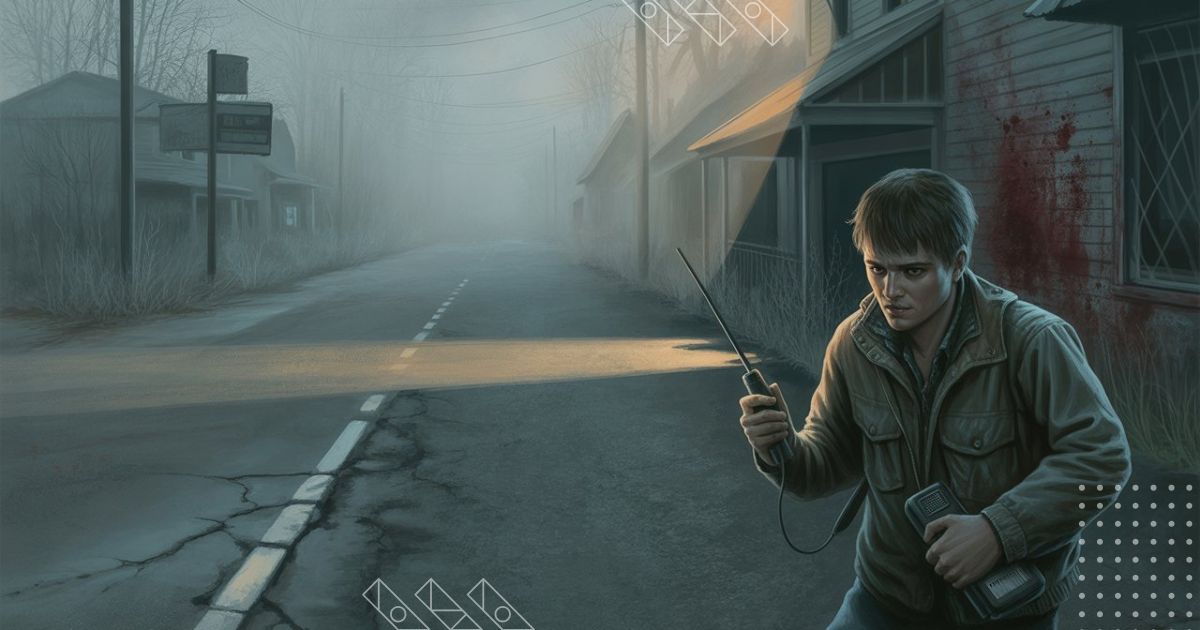
Picture yourself standing at fog-shrouded streets. Your radio crackles with static. Something’s watching you from the shadows.
Welcome to the Guia Silent Hill Geekzilla your comprehensive companion through gaming’s most psychologically disturbing universe. This isn’t just another Silent Hill walkthrough. It’s a deep dive into psychological horror that respects your intelligence while guiding you through manifestations of guilt, trauma, and repressed memories.
The Silent Hill series revolutionized survival horror when Konami unleashed it in 1999. Unlike typical monster-filled corridors, this franchise forces players to confront their inner demons literally. Every creature, puzzle, and fog-drenched street carries meaning that extends beyond simple jump scares.
This Silent Hill guide serves both newcomers stepping into the fog world for the first time and veterans seeking deeper understanding. We’ll explore everything from James Sunderland’s tragic journey to unlocking that bizarre dog ending everyone talks about.
1. The Origins of Silent Hill
Team Silent created something revolutionary at Konami. They weren’t just making another horror game they were crafting psychological experiences that would haunt players for decades.
Released in 1999 for PlayStation, the original Silent Hill emerged from technical limitations transformed into atmospheric strengths. That iconic fog? It masked the console’s draw distance issues. Those stiff voice performances? They added authenticity to ordinary people thrust into extraordinary nightmare situations.
Director Keiichiro Toyama drew inspiration from Western psychological horror films like Jacob’s Ladder and David Lynch’s surrealist nightmares. Meanwhile, composer Akira Yamaoka crafted industrial soundscapes that became inseparable from the franchise’s identity.
The game distinguished itself from Resident Evil’s action-oriented approach by emphasizing vulnerability and atmosphere over combat competence.
| Silent Hill | Resident Evil |
|---|---|
| Psychological trauma | Biological horror |
| Foggy small town | Gothic mansions |
| Personal demons | Corporate conspiracies |
| Clumsy combat | Action-focused |
| Symbolic monsters | Zombie hordes |
2. Recommended Play Order (Geekzilla Style)
Deciding where to start causes endless debates. Here’s the truth: Silent Hill 2 works perfectly as your entry point.
For Story Purists:
- Silent Hill 1 – Establishes the cult lore foundation
- Silent Hill 3 – Direct sequel following Heather Mason
- Silent Hill 2 – Standalone masterpiece about James Sunderland
- Silent Hill 4: The Room – Experimental departure worth experiencing
- Silent Hill: Shattered Memories – Reimagining with psychological profiling
For Gameplay-First Players:
- Silent Hill 2 – Peak storytelling meets refined mechanics
- Silent Hill 3 – Enhanced combat, gorgeous graphics
- Silent Hill 1 – Appreciate where it started
- Silent Hill: Downpour – Underrated atmospheric gem
Games to Skip: Silent Hill: Homecoming misunderstood the franchise’s essence, while Book of Memories abandons survival horror entirely for dungeon crawling.
3. Core Themes and Symbolism
Silent Hill doesn’t just scare you. It dissects your psyche piece by piece.
Common Themes:
Guilt and Punishment drive every protagonist’s journey. The town manifests as purgatory a place where characters confront consequences they’ve desperately avoided. James Sunderland embodies this perfectly, searching for his deceased wife while suppressing unbearable truth.
Religious fanaticism permeates the Silent Hill cult’s twisted rituals. They blend Catholic imagery with occult practices, creating disturbing visual symbolism throughout environments. Alessa Gillespie’s suffering stems directly from Dahlia’s zealotry.
Parent-child relationships form emotional cores across multiple games. Harry Mason’s desperate search for Cheryl, Heather’s connection to her adoptive father, and Alessa’s abuse by Dahlia all explore familial bonds twisted by trauma.
Silent Hill’s Shifting Reality:
The Otherworld represents each character’s psychological state externalized. When sirens wail and environments rust away, you’re witnessing internal torment made manifest. Blood-stained walls and decaying flesh don’t exist objectively they’re projections of guilt-ridden minds.
This nightmare world shifts based on who’s experiencing it. James sees sexual symbolism everywhere. Heather encounters religious persecution imagery. The fog world serves as transition space between reality and complete psychological breakdown.
4. Main Characters and Their Stories
James Sunderland (Silent Hill 2)
James remains gaming’s most tragic protagonist. He arrives in Silent Hill after receiving a letter from his wife Mary three years after her death.
His journey through the town forces him to confront suppressed memories. Maria appears as Mary’s doppelganger, simultaneously comforting and tormenting him. Every encounter peels back layers of denial until unbearable truth emerges.
The psychological profiling in his story remains unmatched. Players slowly realize James isn’t a reliable narrator of his own experience.
Heather Mason (Silent Hill 3)
Heather brings teenage resilience to horror survival. She’s not a soldier or detective just a young woman thrust into cult machinations beyond her control.
Her connection to Silent Hill 1’s events provides narrative continuity. Adopted by Harry Mason after those events, she represents hope born from tragedy. When cultists pursue her, she displays both vulnerability and fierce determination.
Her character analysis reveals someone processing trauma through sardonic humor and justified anger.
Harry Mason (Silent Hill 1 & Shattered Memories)
Harry exemplifies ordinary-person heroism. A widowed father desperately seeking his daughter Cheryl after a car crash, he navigates supernatural chaos with nothing but paternal love driving him forward.
Silent Hill: Shattered Memories reimagines his story through revolutionary psychological profiling. Your therapy session responses reshape Harry’s personality, Cheryl’s character, and environmental details. Every playthrough becomes uniquely personal.
Read This Article: Workplace Management EWMagWork – A Complete Guide To Smarter Offices
5. Monster Analysis – They Are Not Just Enemies
Pyramid Head (Silent Hill 2)
Gaming’s most iconic horror symbol exists solely as James’s punishment manifestation. That massive Great Knife? Overcompensation for inadequacy. The executioner aesthetic? Judgment James believes he deserves.
Pyramid Head’s meaning transforms when you understand he’s not evil he’s James’s subconscious demanding accountability. His appearances correlate directly with James approaching suppressed memories.
Bloober Team confirmed Pyramid Head returns in the Silent Hill 2 Remake 2025, faithfully preserved with modern graphical fidelity.
Bubble Head Nurses
These creatures evolve across games, representing different psychological trauma based on protagonists. In Silent Hill 2, their sexualized design reflects James’s repressed sexuality and medical trauma surrounding Mary’s terminal illness.
Silent Hill 3 transforms them into more aggressive variants, reflecting Heather’s different relationship with the hospital environment. Their faceless nature strips away humanity, leaving only disturbing familiarity.
Twin Victim (Silent Hill 4)
This Silent Hill 4: The Room monster epitomizes the game’s bizarre creativity. Two bodies fused together, wielding a baby carriage as weapon it’s deeply unsettling without obvious explanation.
They represent Walter Sullivan’s murdered victims, innocent lives corrupted into instruments of his ritual. Their presence emphasizes how trauma spreads beyond direct perpetrators.
6. Puzzle Walkthroughs and Tips
Silent Hill 2 Piano Puzzle
Located in Lakeview Hotel’s nightmare sequence, this Silent Hill puzzle solution stumps countless players.
Normal Difficulty Steps:
- Examine sheet music on piano stand
- Note specific key arrangement patterns
- Play the sequence exactly as shown
- Listen for confirmation chime
- Retrieve item from revealed compartment
Pro tip: Screenshot the music sheet. Modern solutions for classic problems work perfectly.
Safe Code Riddles
Silent Hill safe code riddles hide solutions in environmental storytelling. The hospital safe in Silent Hill 2 requires observing wall calendars and patient records.
Silent Hill 3’s Shakespeare puzzle demands arranging five volumes correctly. Heather provides hints through her internal monologue if you’re observant.
General strategy: Always check your difficulty setting first. Puzzle complexity scales dramatically between Easy and Hard modes.
7. Survival and Combat Tips
Combat is Clumsy on Purpose
You’re not Rambo. You’re scared, exhausted, and running low on everything. Tank controls and awkward aiming aren’t technical failures they’re intentional design reinforcing vulnerability.
Weapon Priority:
- Steel Pipe: Reliable melee option requiring dangerous proximity
- Handgun: Conserve every bullet religiously
- Shotgun: Room-clearing desperation tool only
- Finishing stomp: Saves precious ammunition
Inventory Management
Limited space forces brutal prioritization. Always carry healing items, flashlight, radio, and current objective keys. Make frequent storage box trips rather than gambling on capacity.
Health item hierarchy: First Aid Kits heal completely but occupy more space. Health Drinks restore partially but stack efficiently. Learn which situations demand full healing versus quick patches.
Radio static warns of nearby creatures. Flashlight discipline matters darkness hides you but prevents navigation. Balance survival needs constantly.
8. Hidden Endings and How to Unlock Them
Silent Hill 2 Endings:
Leave Ending (Canon): James accepts truth and chooses life. Maintain high health, examine key items thoroughly, and acknowledge Mary’s suffering. This represents genuine acceptance and moving forward.
In Water Ending: James joins Mary in death. Low health throughout, repeatedly reading her diary, and ignoring Maria trigger this heartbreaking conclusion. Many players encounter this first unintentionally.
Maria Ending: Prioritize Maria over Mary’s mementos. James replaces his wife with her doppelganger, creating cyclical nightmare implications.
Rebirth Ending: Collect four hidden ritual items across the entire playthrough. James attempts supernatural resurrection ambiguous and disturbing.
Dog Ending: Complete the game twice to unlock this ridiculous tonal shift. A Shiba Inu controlled everything. Perfect palate cleanser after emotional devastation.
How to Unlock:
Silent Hill 2 uses invisible point systems. Your actions accumulate toward specific ending thresholds. Health management, item examination frequency, and time spent with Maria all influence outcomes.
Checklist for Leave Ending:
- Maintain 50%+ health consistently
- Examine Angela’s knife during stairwell encounter
- Read Mary’s diary maximum twice
- Listen to entire hallway conversation
- Study all photograph mementos thoroughly
9. The Future of Silent Hill
Silent Hill 2 Remake (2025)
Bloober Team tackles gaming’s sacred cow. Initial skepticism gave way to cautious optimism after gameplay reveals. Unreal Engine 5 transforms fog world atmospherics while preserving core psychological horror.
Combat receives over-the-shoulder modernization. Expanded environments add exploration depth. Akira Yamaoka returns, ensuring sonic identity remains intact. Voice acting undergoes complete re-recording with performances honoring originals while reducing unintentional awkwardness.
Silent Hill: Townfall
No Code (creators of Observation) brings experimental sensibilities. This shorter, focused narrative experience emphasizes immersive horror over extended campaigns. Whether it connects to main canon remains mysterious.
Silent Hill f
Set in 1960s Japan, this entry promises cultural horror perspective shifts. Neobards Entertainment returns Silent Hill development to Japanese creators. Early marketing emphasizes flower symbolism and historical period atmosphere.
Konami’s multi-project approach signals franchise revival. Whether these match Team Silent’s legacy depends on respecting what made Silent Hill special meaningful psychological horror over spectacle.
10. Final Thoughts – Embrace the Fog
The Guia Silent Hill Geekzilla philosophy centers on understanding over rushing. Silent Hill rewards patience, observation, and willingness to confront uncomfortable truths.
For newcomers: Don’t fear dated graphics. The psychological fear transcends technical limitations. These games respect your intelligence while delivering genuinely disturbing experiences.
For veterans: Revisiting reveals new layers constantly. The Silent Hill universe grows richer with each playthrough, especially understanding symbolism you missed initially.
Horror works best when it means something. Silent Hill taught generations that monsters reflect ourselves our guilt, trauma, and suppressed memories made tangible.
The town waits in perpetual fog. Whether you’re stepping through those gates first time or returning after years away, remember: Silent Hill shows you what you need to see, not what you want. This guide gives you tools, but the journey’s yours alone.
The radio’s static crackles. Something’s close. Will you run, or finally confront what’s been chasing you?
Embrace the fog. The truth waits inside.