Introduction
Public figures face constant scrutiny daily. Their health becomes our gossip fodder. Elizabeth Rizzini, the beloved BBC Weather presenter, recently found herself at the center of disability speculation. But why does celebrity health curiosity reach such fever pitch?
This isn’t just about one broadcaster’s privacy. It’s about how we consume information online. The Elizabeth Rizzini disability rumors reveal something deeper about our culture. They expose the tension between legitimate interest and invasive speculation.
We’ll separate fact from fiction here. More importantly, we’ll explore what this situation teaches us. Privacy matters, even for television personalities. Let’s examine the truth behind the whispers.
Who is Elizabeth Rizzini? A Brief Biography
Before addressing speculation, let’s meet the woman. Elizabeth Rizzini built an impressive broadcasting career spanning over two decades. She’s not just a face reading forecasts.
Her journey into meteorology began with genuine passion. Elizabeth studied geography and developed fascination with atmospheric science. That academic foundation launched her television career. She joined BBC London and quickly became a trusted voice.
Beyond the screen, Elizabeth maintains relative privacy. She’s married and balances family life carefully. Her social media presence stays professional mostly. She shares weather insights, not personal drama. That boundary deserves respect from all audiences.
Elizabeth Rizzini’s Career at BBC Weather
Meteorology brought her into millions of homes. Elizabeth Rizzini joined BBC Weather in the early 2000s. Her presenting style combines scientific accuracy with warmth. Viewers appreciate her ability to explain complex concepts.
She’s covered numerous extreme weather events across decades. From devastating floods to record-breaking heatwaves, Elizabeth remained steady. Her professional credibility never wavers during crises. That’s why audiences trust her forecasts implicitly.
The BBC London Weather team values her contributions. She represents the network during major broadcasts. Her longevity proves her talent and dedication. Few weather presenters achieve her level of recognition.
The Origins of Elizabeth Rizzini Disability Rumours
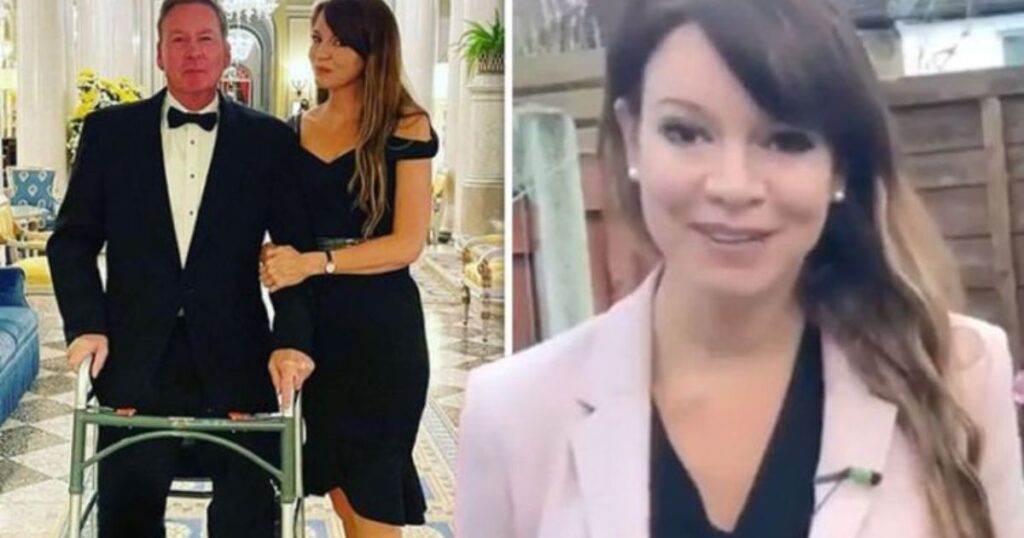
Speculation doesn’t emerge from thin air typically. The Elizabeth Rizzini disability rumours surfaced gradually across social media platforms. Twitter and Facebook became breeding grounds for questions.
Some viewers noticed perceived changes in presentation. Others speculated based on absolutely nothing concrete. The gossip culture thrives on ambiguity and assumptions. Reddit forums and blogs amplified these whispers.
Here’s what actually sparked initial curiosity:
- Occasional on-air absences (perfectly normal for broadcasters)
- Natural aging over two decades on television
- Clickbait culture creating stories from speculation
- Social media’s tendency to turn questions into “facts”
No credible source ever confirmed any disability. The rumors spread through repetition, not evidence.
Separating Facts from Speculation
Truth matters more than titillating gossip. Let’s be crystal clear about what we know:
Confirmed Facts:
- Elizabeth Rizzini works actively as BBC Weather presenter
- She maintains her professional responsibilities consistently
- No official statements mention any disability
- Her broadcasting career continues without interruption
Pure Speculation:
- Various unsubstantiated claims about health conditions
- Assumptions based on perceived appearance changes
- Social media theories lacking any factual basis
Medical privacy laws protect everyone’s health information. Public figures don’t owe us explanations. The absence of denial doesn’t equal confirmation. That logical fallacy fuels too much misinformation online.
Elizabeth Rizzini has never addressed these rumors publicly. She doesn’t need to justify her silence. Professional credibility speaks louder than gossip ever could.
How Media Handles Disability Topics
Journalism walks a precarious tightrope here. Ethical journalism requires sensitivity when discussing disabilities. Responsible outlets follow strict guidelines about health reporting.
The distinction between public interest versus curiosity matters enormously. Public interest involves genuine societal importance. Celebrity health curiosity rarely meets that threshold. It’s often just voyeurism dressed up nicely.
Key Principles for Ethical Journalism:
- Verify information through credible sources only
- Respect individual privacy unless truly newsworthy
- Avoid sensationalism around health conditions specifically
- Consider potential harm before publishing speculation
- Prioritize dignity over clicks consistently
Tabloids often ignore these standards completely. They traffic in speculation and unverified claims. The damage to individuals can be profound. Responsible journalism protects vulnerable subjects, including public figures.
Public Fascination with Celebrity Health
We’re obsessed with famous people’s bodies. This phenomenon has deep psychological roots. Parasocial relationships make us feel connected intimately. We forget these are real humans beings.
Social media amplified this curiosity exponentially recently. Every detail becomes public discussion fodder. Health speculation particularly attracts attention because it’s taboo. We’re drawn to what feels forbidden.
Cultural attitudes toward disability also play roles here. Society still treats disability as something unusual. That othering creates unhealthy curiosity instead of acceptance. Disability normalisation remains frustratingly elusive in mainstream culture.
Does Elizabeth Rizzini have a disability? That question itself reveals problematic assumptions. It treats disability as scandalous revelation rather than neutral characteristic. We need better frameworks for discussing diversity.
Read This Article: Tyna Karageorge: From Private Life to High-Profile Courtroom Drama
Elizabeth Rizzini and Privacy in the Public Eye
Fame doesn’t erase your right to privacy. Being a television personality doesn’t mean surrendering everything. Elizabeth Rizzini maintains clear boundaries between professional and personal.
Legal protections exist around disability information specifically. Employment law prevents discrimination based on disability status. Those same laws protect privacy of health information. Public figures retain these fundamental rights always.
Her social media presence reflects this balance perfectly. She shares professional insights and weather forecasts UK. Personal details remain carefully guarded though. That’s not secrecy; it’s healthy boundary-setting.
The concept of “legitimate public interest” gets abused. Media outlets stretch this definition constantly. Elizabeth Rizzini’s potential health conditions don’t affect public safety. They’re not legitimate news stories therefore.
Representation of Disability in Broadcasting
Television rarely reflects society’s actual diversity. Current statistics paint a disappointing picture. Disabled broadcasters remain drastically underrepresented across networks. The BBC and other organizations acknowledge this gap.
Broadcasting Career Barriers for Disabled Individuals:
| Barrier Type | Impact Level | Examples |
|---|---|---|
| Physical Access | High | Studio accessibility, equipment modifications |
| Unconscious Bias | Very High | Hiring decisions, on-camera assumptions |
| Lack of Role Models | High | Career aspirations limited by visibility |
| Technology Gaps | Medium | Assistive technology not always available |
Inclusivity in broadcasting benefits everyone ultimately. Different perspectives enrich content and storytelling. Audiences deserve to see themselves reflected. Diversity isn’t charity; it’s quality journalism.
Success stories do exist thankfully. Several disabled broadcasters have broken barriers. Their presence gradually normalizes disability in media. Representation matters beyond mere tokenism always.
Why Inclusivity in Media Matters
What we see shapes what we believe. Media representation profoundly influences societal attitudes. When disabled people appear regularly on television, perceptions shift. Disability awareness grows through normalized visibility consistently.
Research confirms representation’s impact on young audiences. Children with disabilities need role models desperately. They need to see possibilities reflected. Career aspirations expand when television shows diversity.
The business case for inclusivity is compelling too. Diverse teams create better content objectively. They understand broader audience perspectives naturally. Inclusive media reaches larger, more engaged audiences.
Breaking stereotypes requires consistent, authentic representation. Disabled broadcasters can’t just appear occasionally. They need prominent roles across programming types. Climate-related reporting, news coverage, entertainment programming—all need diversity.
Social Media’s Role in Spreading Rumours
Twitter amplifies whispers into deafening roars. The Elizabeth Rizzini disability speculation demonstrates social media’s power. A few comments become widespread “knowledge” quickly.
How Misinformation Online Spreads:
- Initial speculation posted without evidence
- Echo chambers amplify these claims rapidly
- Algorithms promote controversial content preferentially
- Fact-checking struggles to keep pace
- Permanent digital record makes correction difficult
Platforms like Facebook and Reddit create perfect conditions. Gossip culture thrives in these environments naturally. Users share information without verifying sources first.
The responsibility debate continues intensely. Should platforms moderate health speculation more aggressively? Do users bear primary accountability instead? Critical thinking and media literacy matter most ultimately.
Lessons from the Elizabeth Rizzini Disability Speculation
Every rumor teaches us something valuable. This situation reveals our collective behavior patterns. We consume celebrity gossip without questioning sources. Respecting privacy of public figures shouldn’t be controversial.
Practical Guidelines for Responsible Engagement:
- Question claims lacking credible verification always
- Consider how speculation might harm real people
- Recognize the difference between curiosity and intrusion
- Share responsibly on social media platforms consistently
- Promote empathy over sensationalism in discussions
Media ethics demand better from all of us. We’re not passive consumers anymore. Our shares and comments actively spread information. That power requires thoughtful, responsible exercise.
Moving forward requires intentionality about our habits. Before sharing celebrity health rumours, pause briefly. Ask whether this serves any legitimate purpose. Usually, the answer is clearly no.
The Broader Impact on Disability Awareness
Individual stories spark collective conversations eventually. The Elizabeth Rizzini situation, despite being unfounded, raised important topics. It highlighted how society discusses disability poorly.
Disability representation in broadcasting needs urgent improvement. These conversations, handled respectfully, can drive change. They can push networks toward better inclusivity. But speculation about individuals isn’t the path forward.
The disability community watches these discussions carefully. They see how quickly rumors spread unchecked. They notice who questions sources versus repeating gossip. Promoting empathy means considering these perspectives actively.
Opportunities exist for education emerging from curiosity. When someone asks about disability in broadcasting, engage constructively. Share information about actual representation challenges. Redirect unhelpful speculation toward productive conversations instead.
FAQs
Does Elizabeth Rizzini have a disability?
No credible evidence supports any disability claims. Elizabeth Rizzini has never publicly discussed having disabilities. She continues her BBC Weather presenter role without limitation. Speculation remains entirely unsubstantiated by facts. Respecting her privacy means not demanding explanations.
Has Elizabeth Rizzini addressed disability rumors publicly?
Elizabeth Rizzini has not addressed these rumors directly. Her silence is her right entirely. Public figures don’t owe responses to every speculation. The professional reputation she maintains speaks volumes. Absence of comment isn’t confirmation of anything.
Why are people curious about Elizabeth Rizzini’s health?
Celebrity privacy and public speculation create natural tension. Parasocial relationships make viewers feel entitled to information. Cultural attitudes toward disability fuel inappropriate curiosity. Tabloids and privacy violations normalize these invasive questions unfortunately.
What is Elizabeth Rizzini’s current role at BBC?
Elizabeth Rizzini currently serves as prominent BBC London Weather presenter. She delivers weather forecasts UK-wide regularly. Her broadcasting career spans over twenty years successfully. She remains active and valued by BBC News.
How does media handle disability topics?
Responsible journalism follows strict ethical guidelines carefully. Sensitivity in reporting requires verified information only. Reputable outlets avoid speculation about individual health. They prioritize dignity over clickbait consistently. Media responsibility includes protecting vulnerable subjects always.
What can we learn from celebrity disability speculation?
These situations teach us about ethical boundaries. We learn that public interest vs personal life requires clearer distinctions. Responsible media consumption means questioning sources actively. Empathy should guide our curiosity about others. Diversity in media deserves focus over individual speculation.
Conclusion
Curiosity isn’t inherently wrong or harmful. Elizabeth Rizzini’s excellence as BBC Weather presenter stands unchallenged. Her professional contributions speak louder than baseless rumors. The fine line between interest and intrusion matters deeply.
We’ve explored disability discourse through this lens. The takeaway is clear: respect boundaries always. Public figures deserve privacy around health matters. Celebrity health curiosity often crosses into unethical territory.
Moving toward more respectful engagement requires effort. It demands we question our consumption habits. Inclusivity in broadcasting deserves our advocacy and attention. Individual speculation? That deserves our silence instead.
Let people control their own narratives completely. Support disability awareness through constructive advocacy, not gossip. Champion representation of disabilities in media through systemic change. That’s how we create genuinely inclusive culture.
Elizabeth Rizzini continues delivering excellent weather forecasts. That’s what matters professionally and publicly. Everything else remains appropriately private territory. Our curiosity should never override basic human dignity.